
Adult Swimming Lessons in Singapore: A First-Timer's Guide to Your First Month in the Water
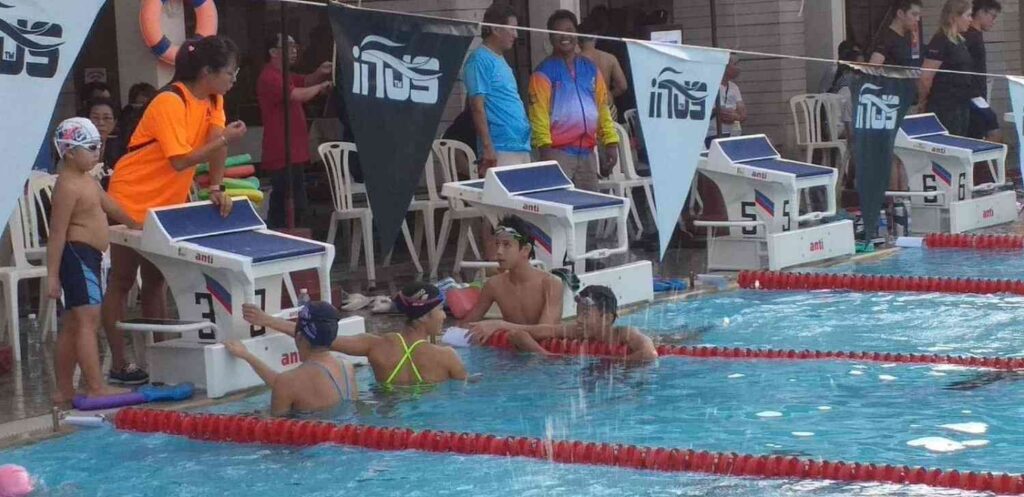
Adult swimming lessons are structured, coach-led sessions that take a non-swimming adult from basic water comfort through breath control, floating and simple stroke technique over a series of weekly classes. If you never learned as a child and have spent years avoiding pools, holiday beaches and the deep end of the bath at your friend’s condo, this guide is for you. It covers what actually happens in your first month, honestly, so you know what to expect before you book.
Why So Many Adults in Singapore Never Learned
Singapore has swimming pools everywhere, and SwimSafer is compulsory in most primary schools from around age six. It would be easy to assume every adult here can swim. In practice, plenty of people missed it, moved from a country without the same access, had a bad early experience that put them off for good, or simply grew up somewhere landlocked with no pool nearby.
Whatever the reason, showing up as an adult beginner is more common than it feels. Coaches who teach adult classes regularly see people in their thirties, forties and sixties walking in for their first ever lesson. Nobody in that room is judging you for not knowing how to swim yet.
What Actually Happens in Your First Session
A genuine adult beginner programme, like our own Learn to Swim programme, is built around exactly this starting point, so nothing in the first session assumes prior comfort in water. Progression is based on coach assessment of how you are actually doing, not a fixed weekly script everyone is pushed through regardless of readiness.
Your first lesson will not involve being pushed into deep water or expected to swim a length. It starts in the shallow end, usually somewhere you can stand comfortably with your head above water. A coach will spend the first part of the session simply getting you used to the water around your face, your ears and your shoulders, because for most adult beginners the real barrier is not technique, it is comfort.
From there, the first session typically covers controlled breathing out through the nose or mouth while your face is in the water, and a basic front float with support from the coach or the pool wall. You are not expected to swim by the end of session one. You are expected to feel slightly more at ease in the water than you did when you arrived, and that is a genuine, measurable win.
Week by Week: What Progress Really Looks Like
Progress for adult beginners is rarely a straight line, and it looks different from what most people expect walking in. Coaches who teach this age group consistently describe a similar rough shape to the first month, even though every student moves at their own pace.
- Week 1: water comfort, controlled breathing, and a supported front float.
- Week 2: unsupported floating for a few seconds, and the first attempts at a basic kick.
- Week 3: kicking with a float board across a short distance, and early arm coordination drills on dry land or at the pool edge.
- Week 4: the first few unassisted strokes, often messy, often only two or three metres, but genuinely independent.
What to Bring and What to Expect Physically
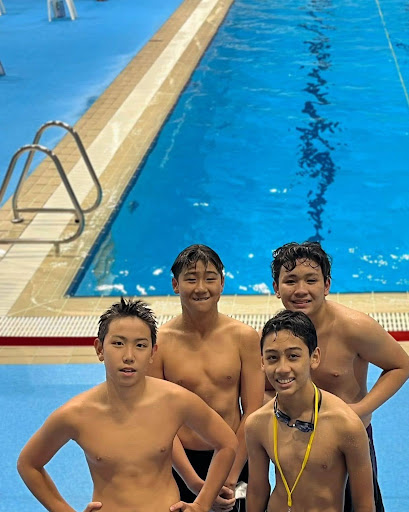
You do not need specialist gear for your first lesson. A well fitting swimsuit, a towel, and goggles are enough to start, and most adults find goggles make the early breathing and floating work considerably less stressful. Some people wear a swim cap for comfort, though it is not usually required.
Expect to feel more tired than the length of the session suggests. Treading water, floating and controlled breathing use muscles most adults rarely engage, and the mental effort of staying calm while learning something genuinely new adds to the fatigue. This is completely normal and tends to ease as your comfort in the water builds over the first few weeks. You can see the full range of programmes we run, for adults and children alike, back on our homepage.
Choosing a Class That Actually Suits Adult Beginners
Not every swim programme is built with a nervous adult beginner in mind. Some are structured around children’s attention spans and progression, which can feel awkward or rushed if you are the only adult in the group. Look for a programme that explicitly caters to adult beginners, keeps class sizes small enough that you are not waiting long between turns with the coach, and is upfront about pacing rather than promising you will be swimming laps within a fixed number of weeks.
Our sessions are held at Singapore Sports School in Woodlands, with progression based on coach assessment rather than a fixed timetable, so nobody is rushed past a skill before they are genuinely ready for the next one. If you are also curious about how the core skills get taught in order, take a look at our companion piece on the basic skills in swimming and the order coaches teach them in. It walks through the full sequence from water comfort to your first proper stroke, which is worth reading alongside this guide if you like knowing what’s coming.
Ready to Start
Learning to swim as an adult is far more common, and far less daunting, than most people expect before they start. The first month is about comfort and small, honest steps, not about becoming a strong swimmer overnight. If you have been putting it off, get in touch through our Contact page and a coach can talk you through what your own first month would look like.
Frequently Asked Questions
Is it embarrassing to learn to swim as an adult?
No, and it is far more common than most people assume. Adult beginner classes are made up entirely of people in the same position as you, and coaches who teach this age group are used to working with total beginners of all ages.
How long does it actually take an adult to learn to swim?
There is no fixed timeline, and any programme that promises you will swim laps by a specific week is guessing rather than teaching. Progress depends on how often you attend, your comfort with water at the start, and how much you practise between sessions. Some adults are swimming basic strokes independently within a month, others take longer, and both are entirely normal.
Do I need to be able to float before I start lessons?
No. Floating is one of the very first things taught, not a prerequisite. If you could already float and breathe comfortably in water, you would likely need far fewer beginner lessons.
What if I have a fear of water?
A genuine fear of water is common among adult beginners and a good coach will slow the pace to match it rather than push you past your comfort level. Tell your coach about it directly at the first session so the lesson plan can be adjusted from day one.
What age is too old to start learning to swim?
There is no upper age limit. Adults in their sixties and beyond learn to swim successfully every year, provided the pace and expectations are set appropriately for a beginner.
Will I definitely be able to swim by the end of my first month?
Most adult beginners are managing a short, independent stroke by the end of the first month, but this varies by person and is never guaranteed on a fixed schedule. What matters more in month one is genuine comfort in the water, since everything else builds on that.