
Simple Breathing Games Parents Can Practice With Beginner Swimmers at Home
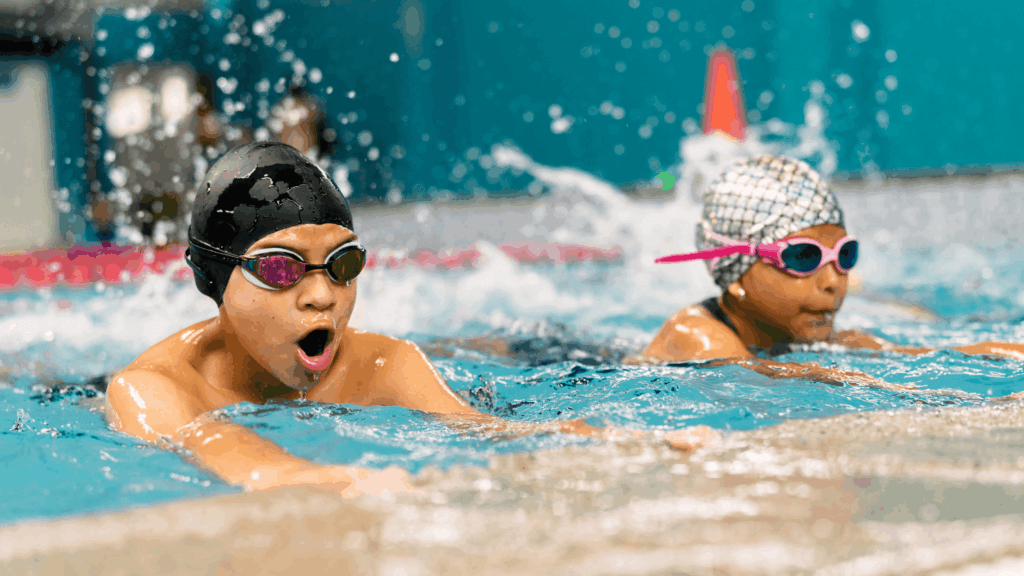
Learning to swim involves much more than moving through the water. One of the first and most important skills beginner swimmers need to develop is breathing control.
Many children are comfortable kicking and splashing, but become nervous when asked to put their face in the water or blow bubbles. This is completely normal. Developing confidence with breathing often takes time, patience, and plenty of practice.
The good news is that parents can help. Simple breathing games at home can reinforce the skills children learn during swimming lessons while making the process fun and stress-free.
In this guide, we’ll explore why breathing matters, how parents can support beginner swimmers, and several easy games that can help children become more comfortable with water and breathing control.
Why Breathing Skills Matter for Beginner Swimmers
Breathing is one of the foundations of swimming.
Before children learn strokes such as freestyle or breaststroke, they need to feel comfortable controlling their breathing around water.
The Connection Between Breathing and Water Confidence
Many beginner swimmers worry about getting water in their nose or mouth.
Breathing exercises help children understand that they can control what happens when their face is near or in the water. As confidence grows, fear often decreases.
Children who are comfortable blowing bubbles and exhaling in water tend to progress more smoothly through early swimming skills.
How Proper Breathing Supports Swimming Development
Breathing skills contribute to several important swimming fundamentals:
- Relaxation in the water
- Improved body position
- Better floating ability
- Greater confidence during lessons
- Easier progression to stroke development
Without breathing confidence, many children struggle to move comfortably to more advanced swimming skills.
What Parents Should Know Before Practising at Home
Home practice should always feel like play rather than training.
The goal is to build familiarity and confidence.
Keep Sessions Short and Fun
Young children learn best through short activities.
Five to ten minutes of practice can often be more effective than a long session.
End activities while your child is still enjoying them.
Never Force Submersion
One of the biggest mistakes parents make is rushing the process.
If a child feels uncomfortable putting their face in water, start with activities that involve blowing air or bubbles first.
Confidence develops gradually.
Celebrate Small Wins
Every achievement matters.
Whether your child blows bubbles for two seconds or keeps their face near the water for the first time, positive reinforcement helps build motivation and trust.
Breathing Game #1: Pretend Birthday Candles
This game helps children understand different breathing strengths.
How to Play
Pretend there are birthday candles in front of your child.
Ask them to blow gently to make the flame wiggle, then blow harder to extinguish the candle.
You can also use paper candle cut-outs or toy candles.
Skills Developed
Children practise:
- Breath control
- Strong and gentle exhalation
- Awareness of breathing power
Why It Supports Swimming
Swimmers need to learn how to regulate their breathing rather than simply blowing out as hard as possible.
Breathing Game #2: Ping Pong Ball Blow Race
This activity adds movement and excitement.
How to Play
Place a ping pong ball on a table.
Challenge your child to move it from one side to the other using only their breath.
You can create races, goals, or simple courses.
Skills Developed
This game improves:
- Longer exhalations
- Breath control
- Focus and coordination
Make It More Fun
Add family competitions or timed challenges to keep children engaged.
Breathing Game #3: Hum and Bubble
This game introduces relaxation into breathing practice.
How to Play
Ask your child to hum while blowing bubbles into water.
The vibration often creates interesting sounds and sensations that children find entertaining.
Skills Developed
Children learn:
- Rhythmic breathing
- Relaxation
- Consistent exhalation
Swimming Connection
Many swim instructors use similar activities to help nervous swimmers relax around water and become comfortable exhaling while submerged.
Moving Breathing Practice Into the Pool
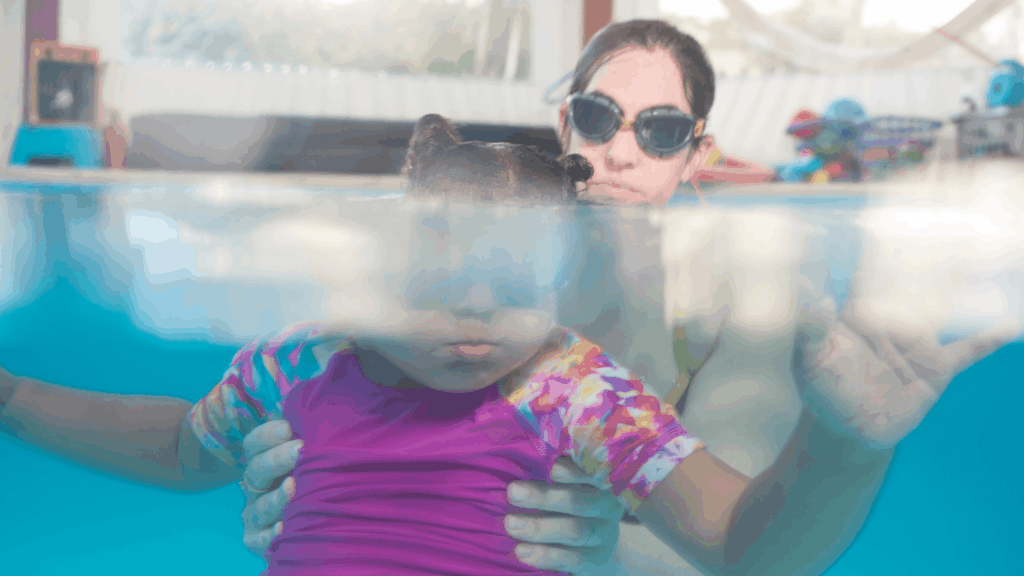
Home activities are valuable, but eventually children need to transfer these skills into the water.
Signs Your Child Is Ready
Your child may be ready for more advanced swimming instruction if they can:
Blow bubbles comfortably
Stay relaxed around water
Follow simple breathing instructions
Show curiosity about putting their face in the water
How Swimming Instructors Build on These Skills
Professional swimming instructors gradually progress from bubble blowing to:
Face immersion
Floating exercises
Streamline positions
Basic stroke breathing
A structured programme helps children develop these skills safely and systematically.
The Learn to Swim programme at Ace Swim Club focuses on building water confidence and foundational swimming skills through age-appropriate instruction and progressive learning methods.
Common Mistakes Parents Should Avoid
Supporting your child’s swimming journey does not require perfection.
However, avoiding a few common mistakes can make a significant difference.
Turning Practice Into a Test
Children learn best when they feel relaxed.
Avoid repeatedly asking whether they can perform a skill correctly.
Instead, focus on participation and enjoyment.
Comparing Children
Every swimmer develops at their own pace.
Comparing siblings or classmates can create unnecessary pressure and reduce confidence.
Rushing Water Confidence
Confidence cannot be forced.
Children who feel safe and supported typically progress faster than those who feel pressured.
Overcorrecting Technique
At the beginner stage, confidence and comfort are more important than perfect technique.
Leave technical instruction to qualified swimming coaches.
Supporting Long-Term Swimming Success
Swimming is a lifelong skill.
The goal is not simply to help children blow bubbles or put their face in the water.
The goal is to create positive experiences that encourage ongoing participation and learning.
Consistency Matters More Than Intensity
A few minutes of regular practice often produces better results than occasional long sessions.
Keep Swimming Fun
Children who enjoy the process are more likely to stay engaged and continue developing their skills.
Games, encouragement, and positive reinforcement all contribute to long-term success.
Work With Qualified Instructors
Home practice works best when combined with professional instruction.
At Ace Swim Club, experienced coaches help swimmers develop confidence, breathing control, water safety skills, and strong swimming foundations through structured programmes designed for every stage of development.
Conclusion
Breathing confidence is often the first major milestone for beginner swimmers.
Simple games such as bubble blowing, feather races, straw activities, and ping pong ball challenges can help children become more comfortable controlling their breathing in a fun and supportive way.
Remember that progress takes time.
Focus on building confidence, celebrating small achievements, and creating positive experiences around water.
If you would like guidance on helping your child develop essential swimming skills, contact us and speak with the team to learn more about suitable programmes for beginner swimmers.
FAQs
How can I teach my child to blow bubbles in water?
Start by practising bubble blowing in a bowl, sink, or bath. Encourage your child to blow gently through their mouth and gradually increase the duration as they become more comfortable.
At what age should children learn swimming breathing techniques?
Children can begin learning basic breathing concepts as soon as they start swimming lessons. Activities should always be age-appropriate and focused on confidence building.
Why is my child afraid to put their face in the water?
Many children worry about getting water in their nose, eyes, or mouth. Gradual exposure, breathing games, and positive reinforcement can help build confidence over time.
Can breathing exercises help children learn to swim faster?
Breathing exercises can improve water confidence and comfort, which often helps children progress more effectively through swimming lessons.
How often should beginner swimmers practise breathing exercises?
Short sessions several times a week are usually sufficient. Consistent practice is generally more effective than occasional lengthy sessions.