
How to Choose the Right Competitive Swimming Programme in Singapore
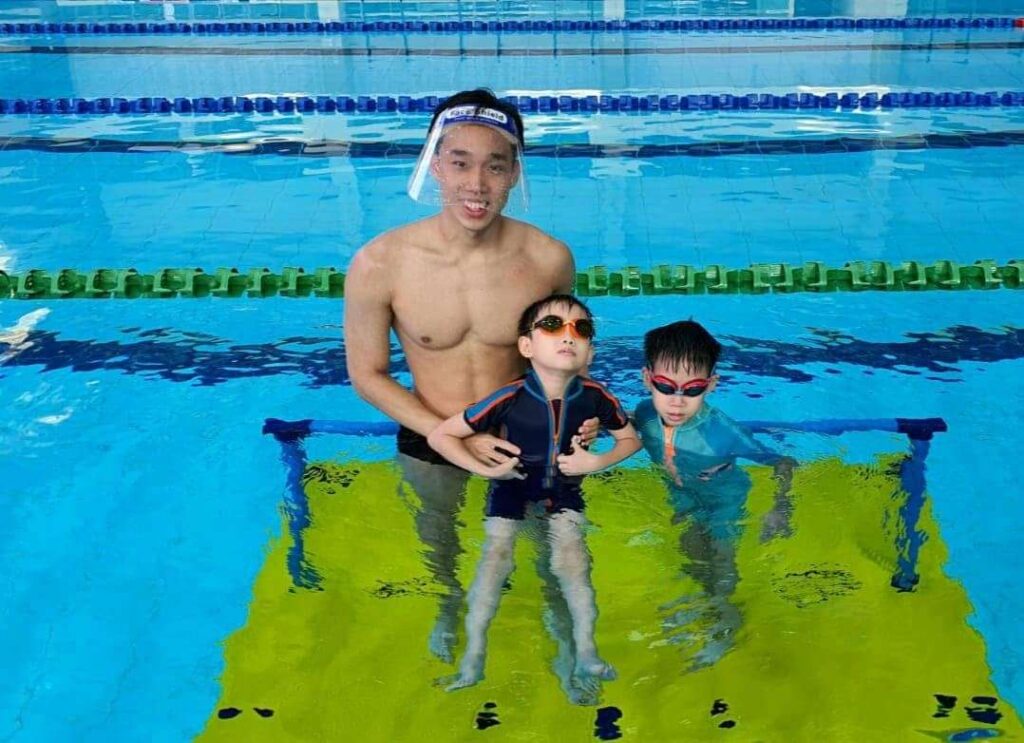
Watching your child become a confident swimmer is an exciting milestone. Once they have mastered the basics, many parents begin asking the same question: Is my child ready for competitive swimming?
Moving from recreational swimming lessons into a competitive programme is a significant step. It introduces children to more structured training, technical coaching, goal setting, and the opportunity to participate in swimming competitions. However, not every programme offers the same level of coaching, progression, or support.
If your child already knows how to swim and enjoys spending time in the water, choosing the right competitive swimming programme in Singapore can help them continue improving while building discipline, resilience, and confidence. This guide explains what parents should look for, how to assess readiness, and why selecting the right coaching environment is essential for long-term success.
Signs Your Child Is Ready for Competitive Swimming
There is no perfect age to join a competitive swimming programme. Instead, readiness depends on a combination of technical ability, physical development, and attitude.
One of the first indicators is whether your child can confidently swim the four competitive strokes:
- Freestyle
- Backstroke
- Breaststroke
- Butterfly
They do not need to perform each stroke perfectly, but they should demonstrate good body position, breathing control, and a solid understanding of basic techniques.
Beyond technical ability, confidence plays an equally important role. Children who feel comfortable swimming longer distances, trying new drills, and practising different skills are often better prepared for structured training.
Another important quality is coachability. Competitive swimming requires children to listen carefully, apply technical feedback, and repeat movements until they improve. A willingness to learn is often more valuable than natural talent alone.
Parents should also look for consistency. Children who regularly attend lessons, stay engaged throughout training, and remain motivated over time are generally better suited to competitive programmes.
Finally, consider whether your child genuinely enjoys challenges. Competitive swimming involves setting goals, improving personal bests, and learning from both successes and setbacks. Children who enjoy challenging themselves usually adapt well to this environment.
Physical readiness is another consideration. While competitive training gradually increases in intensity, children should already have enough stamina and coordination to complete structured practice sessions comfortably.
What Makes a Good Competitive Swimming Programme?
Not every competitive swimming programme follows the same coaching philosophy. Choosing the right environment can have a significant impact on your child’s development and long-term enjoyment of the sport.
Structured Progression
A well-designed programme provides a clear pathway that matches training intensity to each swimmer’s current ability. Instead of placing every swimmer into the same group, coaches should assess individual skills and allow children to progress as they develop.
Qualified Coaches
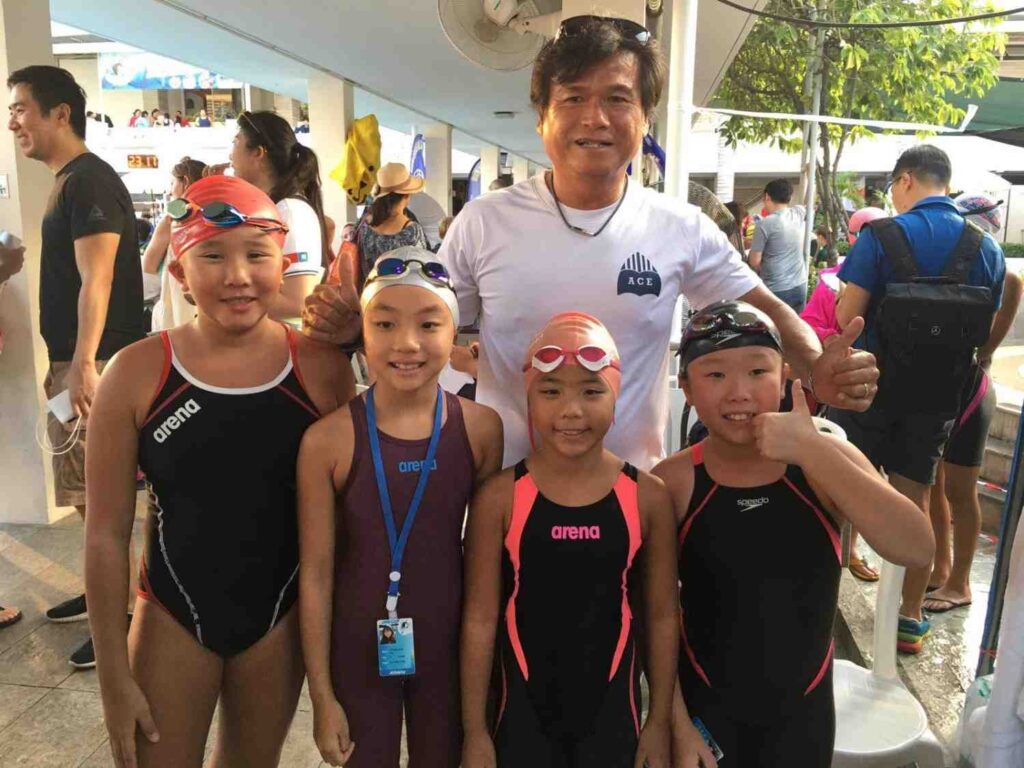
Experienced coaches make a substantial difference in how quickly swimmers improve. Look for coaches with competitive swimming backgrounds or experience coaching athletes at national or regional levels. Their understanding of technique, race preparation, and athlete development helps swimmers build strong fundamentals from the beginning.
Technique-First Coaching
One of the biggest mistakes some programmes make is increasing training volume before swimmers have mastered proper technique.
Strong programmes focus on:
- Efficient body position
- Correct breathing
- Stroke mechanics
- Streamlining
- Turns
- Starts
Developing these skills early allows swimmers to improve performance while reducing the risk of poor habits becoming difficult to correct later.
Small Coach-to-Swimmer Ratio
Smaller training groups allow coaches to provide more personalised instruction. Individual feedback helps swimmers refine their technique more effectively than large classes where coaches have limited opportunities to observe each swimmer closely.
Competition Opportunities
Competitive swimming is about more than racing. Participating in competitions allows swimmers to experience goal setting, sportsmanship, and personal achievement.
Parents should look for programmes that introduce competitions gradually, ensuring swimmers feel prepared rather than pressured.
Progressive Training Load
Training should become more demanding only as swimmers develop the physical ability and technical skills to handle it safely.
Programmes that gradually increase distance, intensity, and technical complexity help children continue progressing without becoming overwhelmed or losing motivation.
Questions Parents Should Ask Before Joining
Before enrolling your child in a competitive swimming programme, it is worth asking a few important questions.
- How many training sessions are recommended each week?
- How are swimmers assessed before joining a squad?
- What competitions do swimmers participate in each year?
- What are the coaches’ qualifications and competitive experience?
- How is my child’s progress reviewed and communicated?
The answers to these questions can provide valuable insight into how structured and supportive a programme really is.
Why the Right Coaching Matters
Swimming is a highly technical sport where small improvements can lead to significant performance gains over time.
Experienced coaches do far more than supervise training sessions. They identify subtle technical errors, provide individual feedback, and help swimmers develop efficient movement patterns that improve speed while conserving energy.
Quality coaching focuses on:
- Refining stroke technique
- Improving racing starts
- Perfecting tumble turns and finishes
- Developing race strategies for different distances
- Preventing injuries through correct technique
- Keeping swimmers motivated throughout their development
The best coaches also understand that every swimmer develops differently. Rather than comparing children against one another, they focus on helping each swimmer achieve consistent personal improvement.
How Ace Swim Club Develops Competitive Swimmers
At Ace Swim Club, we believe that successful swimmers are developed through structured coaching, technical excellence, and individual support.
Our Competitive Squad is led by coaches with experience competing and coaching at national and Southeast Asian levels. Our coaching team includes trainers who have guided swimmers to SEA Games medals and national records, bringing valuable expertise to every training session.
Children progressing from our Learn to Swim programme are individually assessed before joining a competitive squad. Rather than moving swimmers based solely on age, we evaluate their technique, confidence, fitness, and overall readiness to recommend the most suitable training group.
This structured pathway ensures swimmers continue developing at an appropriate pace while building the technical foundations needed for long-term success.
Getting Started
Choosing a competitive swimming programme is not simply about finding the most intensive training schedule. It is about finding a programme that matches your child’s current ability while providing opportunities to continue learning, improving, and enjoying the sport.
If you are unsure whether your child is ready to take the next step, booking an assessment or trial session is the best place to start. Our coaches can evaluate your child’s swimming technique, confidence, and overall readiness before recommending the most suitable pathway.
With the right coaching, supportive environment, and structured progression, children can develop not only into stronger swimmers but also into more confident, disciplined, and resilient individuals.
If your child is ready to move beyond recreational lessons and start training with structure and purpose, our Competitive Squad programme is designed to build technique, endurance, and race readiness under experienced coaches. It’s a natural next step for swimmers who’ve shown consistency and a genuine interest in competing.
Frequently Asked Questions
What age should children start competitive swimming?
There is no fixed age. Most children transition into competitive swimming once they have developed confidence in all four strokes and are ready for structured training. Readiness depends more on skill level and attitude than age alone.
How many times per week should competitive swimmers train?
Most beginner competitive swimmers train two to three times per week. As swimmers improve and prepare for competitions, training frequency may gradually increase depending on their goals and ability.
Does my child need competition experience?
No. Many swimmers join a competitive programme before participating in their first competition. Coaches typically introduce competitions gradually once swimmers have developed the necessary technical skills and confidence.
What skills should children master before joining?
Children should have a good understanding of freestyle, backstroke, breaststroke, and butterfly, along with confidence in the water, good listening skills, and the ability to follow structured coaching instructions.
How do coaches assess readiness?
Coaches usually assess stroke technique, breathing control, body position, endurance, confidence, coachability, and overall swimming ability before recommending the most suitable training group.