
Toddler Swimming in Singapore: When to Start, What to Expect, and How to Prepare Your Child
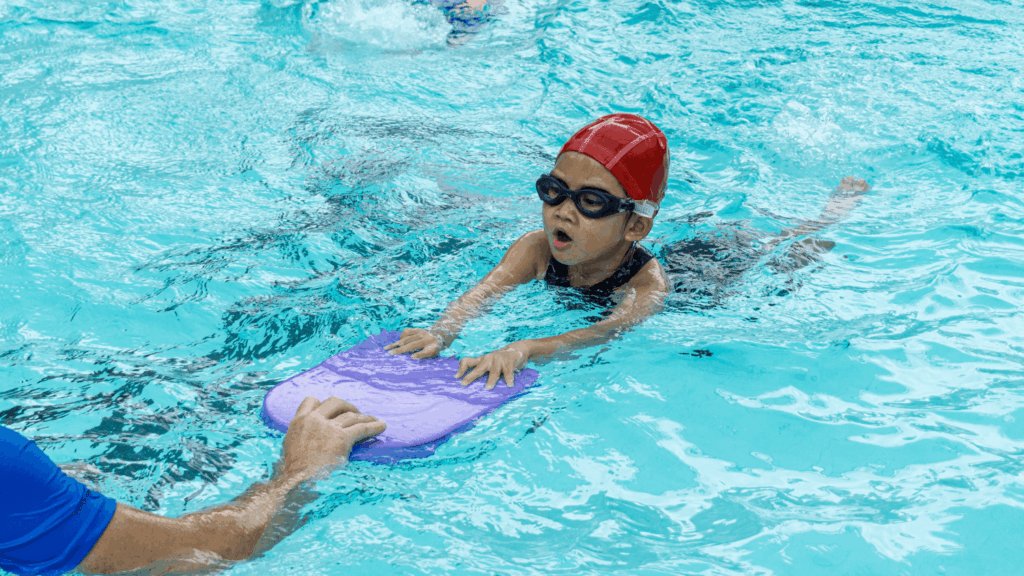
Swimming is one of the most valuable life skills a child can learn. In Singapore, where swimming pools, water playgrounds, beaches, and condominium facilities are common, many parents are introducing their children to water from an early age.
Toddler swimming lessons are becoming increasingly popular because they help children build water confidence, improve physical development, and learn essential safety habits. However, many parents still wonder when to start, what happens during lessons, and how to prepare their child for the experience.
This guide explains everything parents need to know about toddler swimming in Singapore, including the right age to begin, what to expect during classes, and how to make the learning journey enjoyable for your child.
When Should Toddlers Start Swimming Lessons?
Recommended Starting Age
Many swim schools in Singapore introduce babies to water as early as six months old through parent-assisted water familiarisation sessions. However, structured toddler swimming lessons typically begin from around 18 months to three years old.
At this stage, toddlers are usually more physically coordinated and emotionally ready to participate in guided activities. They can follow simple instructions, engage with instructors, and gradually develop independent movement in the water.
Toddler classes are different from infant swim sessions. While baby classes focus mainly on water exposure and bonding, toddler swimming lessons place greater emphasis on basic swimming skills, water confidence, and safety awareness.
Signs Your Child Is Ready
Every child develops differently, so readiness is not based purely on age. Some toddlers adapt quickly to water, while others need more time.
Signs your toddler may be ready for swimming lessons include:
- Curiosity around water
- Comfort during bath time
- Ability to follow basic instructions
- Interest in group activities
- Willingness to explore new environments
Parents should also feel emotionally prepared. Young children often look to adults for reassurance, so remaining calm and positive can make a significant difference during lessons.
Why Early Exposure Matters
Introducing children to water early helps create positive experiences and reduces fear later in life. Early swimming exposure may also support:
- Better motor skill development
- Improved coordination and balance
- Increased confidence
- Stronger social interaction skills
- Earlier understanding of water safety
Most importantly, children who feel comfortable in water are more likely to enjoy swimming as a long-term activity.
Benefits of Toddler Swimming Lessons in Singapore
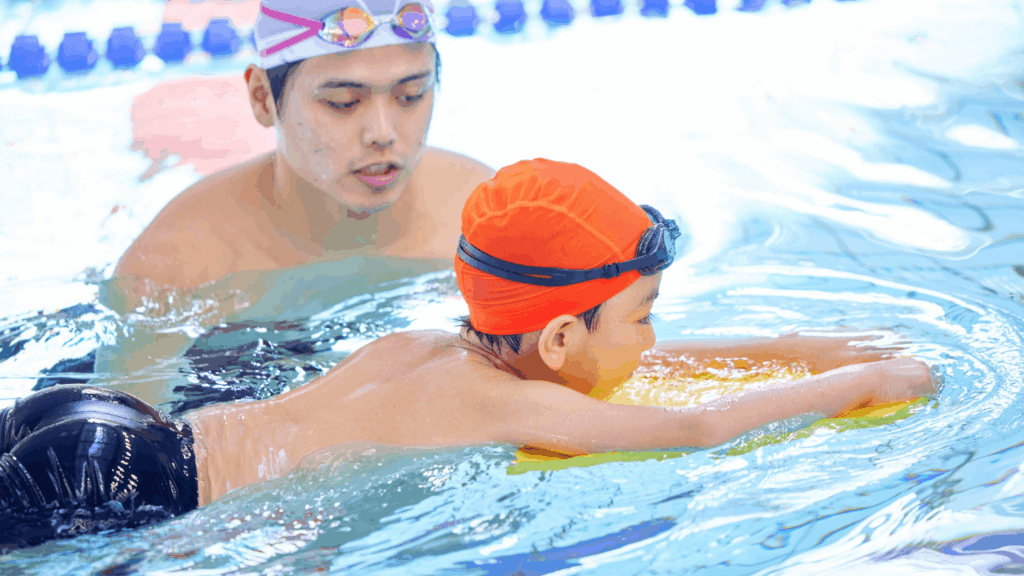
Water Safety Skills
One of the biggest reasons parents enrol toddlers in swimming lessons is safety. In Singapore, children are frequently exposed to swimming pools, water parks, and beach environments.
Toddler swimming lessons introduce important safety habits such as:
- Safe pool entry and exit
- Floating techniques
- Kicking and movement control
- Listening to poolside instructions
- Understanding boundaries around water
While no toddler should ever be left unsupervised near water, early lessons can help children become more aware and responsive in aquatic environments.
Physical Development
Swimming engages multiple muscle groups and encourages full-body movement. For toddlers, this can support healthy physical development in a fun and low-impact environment.
Benefits may include:
- Improved coordination
- Enhanced balance
- Better flexibility
- Increased muscle strength
- Cardiovascular exercise
The resistance of water also helps toddlers develop body awareness while reducing stress on growing joints.
Cognitive and Emotional Growth
Swimming lessons are not only physical. Toddlers also learn valuable cognitive and emotional skills through structured activities and guided play.
Children practise listening, following instructions, waiting for turns, and interacting with instructors and classmates. These experiences can help build patience, focus, and confidence.
Successfully completing small tasks in the pool, such as blowing bubbles or floating briefly, also gives toddlers a sense of achievement.
Parent-Child Bonding
Many toddler swimming classes in Singapore involve active parent participation. This creates valuable bonding opportunities while helping children feel safe and supported in the water.
Shared activities, songs, games, and encouragement can strengthen trust between parent and child while making swimming lessons more enjoyable.
Parents also gain confidence learning how to support their child safely in aquatic environments.
What to Expect During a Toddler Swimming Class
Typical Lesson Structure
Toddler swimming lessons are usually designed to feel playful and engaging rather than highly technical.
A typical class may include:
- Water warm-up activities
- Songs and interactive games
- Bubble blowing exercises
- Kicking practice
- Floating activities
- Basic paddling movements
- Safe pool exit practice
Instructors often use toys, repetition, and positive reinforcement to maintain attention and encourage participation.
Class Duration and Frequency
Most toddler swimming lessons in Singapore last between 30 and 45 minutes. This duration is suitable for young children with shorter attention spans.
Many swim schools recommend attending classes once or twice per week for consistent progress. Regular exposure helps toddlers feel more comfortable and familiar with the water environment.
Consistency is often more important than intensity at this age.
Parent Participation
Parent-assisted classes are common for toddlers because they help children feel secure while learning new skills.
Parents may hold their child during activities, assist with floating exercises, or participate in guided games. Over time, toddlers gradually become more independent and confident.
Active participation also allows parents to reinforce water safety habits outside of class.
Progress Takes Time
One of the most important things parents should understand is that toddler swimming progress varies greatly.
Some children quickly enjoy the water, while others need several lessons before feeling comfortable. Crying or hesitation during early sessions is not unusual.
The primary goal at this stage is confidence and familiarity rather than perfect swimming technique. Gentle encouragement and patience usually lead to better long-term results.
How to Prepare Your Toddler for Swimming Lessons
Before the First Lesson
Preparation can help reduce anxiety and make the first lesson more enjoyable.
Parents can:
- Talk positively about swimming
- Read children’s books about swimming
- Watch simple swimming videos together
- Visit the pool before lessons begin
- Practise splashing during bath time
Avoid creating pressure or unrealistic expectations. Keeping the experience relaxed and fun is often most effective.
What to Bring
Packing the right items helps lessons run smoothly.
Essentials usually include:
- Swimwear
- Swim nappies
- Towel
- Change of clothes
- Water bottle
- Small snack after class
Some programmes may also recommend goggles or swim caps, depending on the child’s age and lesson structure.
Helping Nervous Toddlers
It is normal for some toddlers to feel uncertain around water initially. Parents should remain calm and supportive during this adjustment period.
Helpful strategies include:
- Offering reassurance
- Smiling and staying relaxed
- Praising small achievements
- Avoiding force or pressure
- Maintaining a consistent routine
Children often mirror their parent’s emotions, so confidence and patience from adults can help toddlers settle more quickly.
Pool Safety Habits to Teach Early
Swimming lessons should always be paired with basic water safety education.
Toddlers should learn:
- Never to run near pools
- Always to wait for an adult before entering water
- To hold railings carefully
- To listen to instructors and parents
These simple habits can help create safer behaviours around water as children grow older.
Choosing the Right Toddler Swimming Programme in Singapore
Selecting the right swim programme is important for both safety and enjoyment.
Parents should look for:
- Qualified and experienced instructors
- Child-friendly teaching methods
- Small class sizes
- Clean facilities
- Structured lesson progression
- Positive learning environments
Gentle encouragement and patience are especially important when teaching toddlers. Programmes that focus on trust-building and water confidence often create better long-term experiences for young children.
Parents exploring suitable swimming options can visit Ace Swim Club to learn more about professional swimming lessons in Singapore.
For younger children specifically, the Toddler Swimming Classes programme provides age-appropriate lessons designed to help toddlers build confidence and safety awareness in the water.
Families who are unsure which programme best suits their child can also contact the team directly for personalised guidance.
Common Mistakes Parents Should Avoid
Some parents unintentionally place too much pressure on young children during swimming lessons.
Common mistakes include:
- Comparing progress with other children
- Expecting independent swimming too early
- Skipping lessons frequently
- Using fear-based teaching methods
- Depending entirely on float devices
Every toddler learns differently. Focusing on enjoyment and gradual improvement usually leads to more positive outcomes.
Swimming should feel safe, encouraging, and rewarding for young children.
Final Thoughts
Toddler swimming lessons can provide far more than just water skills. They help children develop confidence, coordination, social interaction, and important safety awareness from an early age.
Starting swimming lessons early in Singapore can also help children become more comfortable around pools and aquatic environments that are part of everyday life. Parents should remember that progress takes time. Patience, consistency, and positive experiences are the foundation of successful learning.
With the right support and a child-friendly programme, toddlers can develop a lifelong love for swimming while building valuable life skills along the way.
FAQs
What age should toddlers start swimming lessons in Singapore?
Most toddlers can begin structured swimming lessons between 18 months and three years old, depending on their comfort level and developmental readiness.
How long does it take for a toddler to learn swimming?
Every child progresses differently. Some toddlers become comfortable within a few weeks, while others may take several months to develop confidence and basic swimming skills.
Are toddler swimming lessons safe?
Yes, toddler swimming lessons are generally safe when conducted by qualified instructors in supervised environments with age-appropriate teaching methods.
What should my toddler wear to swimming lessons?
Toddlers typically need comfortable swimwear, swim nappies, a towel, and a change of clothes. Some programmes may also recommend goggles or swim caps.
What if my toddler cries during swimming lessons?
Crying during early lessons is common. Many toddlers need time to adjust to new environments. Gentle encouragement, patience, and consistency usually help children become more comfortable over time.