
A Parent’s Guide to Progressing from Swim Lessons to Competitive Squads
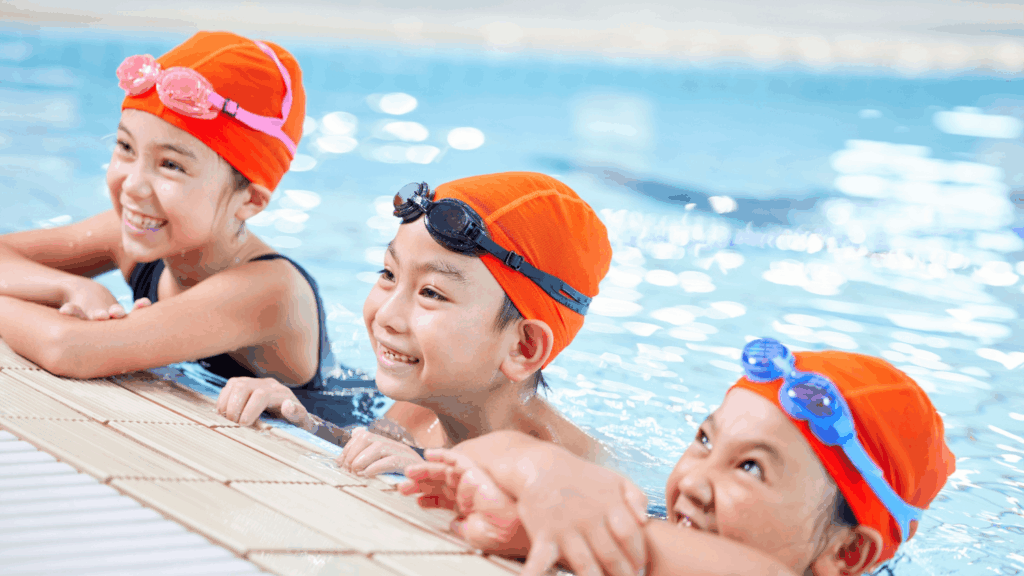
For many families, swim lessons begin as a way to build water confidence and safety skills. Over time, some children develop a genuine passion for swimming and start showing interest in improving their speed, technique and endurance. This is often the point where parents begin considering the move into competitive swimming.
Transitioning from learn-to-swim lessons into a competitive squad can feel exciting but also slightly overwhelming. Parents may wonder whether their child is ready, how competitive squads work and what commitments are involved.
Understanding the progression pathway can help families make informed decisions and support children in a healthy, positive way. A swimming school with structured programmes typically focus on long-term swimmer development rather than rushing young athletes into competition too early.
Understanding the Swimming Progression Pathway
Competitive swimming is not simply about swimming faster. It involves developing technical skills, discipline, consistency and confidence over time. Most swim clubs follow a staged progression pathway that allows swimmers to move through different levels gradually.
Learn-to-Swim Stage
At this stage, children focus on:
- Water confidence
- Basic stroke development
- Breathing techniques
- Floating and kicking skills
- Pool safety
The emphasis is on building strong fundamentals while keeping lessons enjoyable and engaging.
Development Squad Stage
Once swimmers demonstrate competence in all four strokes and can swim longer distances comfortably, they may progress into a development squad.
This stage introduces:
- Structured training sessions
- Improved stroke efficiency
- Starts and turns
- Pace awareness
- Basic race preparation
Development squads help bridge the gap between recreational lessons and formal competition.
Competitive Squad Stage
Competitive squads involve more focused training designed to improve performance and prepare swimmers for meets.
Training typically includes:
- Endurance work
- Speed development
- Race strategy
- Goal setting
- Mental resilience
Importantly, progression is not based solely on speed. Coaches also consider attitude, attendance, listening skills and a swimmer’s ability to cope with structured sessions.
Signs Your Child May Be Ready for a Competitive Squad
Every child progresses differently. Some are ready for squad training earlier, while others benefit from staying in lessons longer to strengthen technique and confidence.
There are several indicators that a swimmer may be ready for the next step.
Strong Technical Foundations
Children should demonstrate consistent technique across freestyle, backstroke, breaststroke and butterfly. Perfect technique is not expected, but swimmers should understand body position, breathing and coordination.
Ability to Follow Instructions
Competitive training sessions are more structured than standard lessons. Swimmers need to listen carefully, follow lane etiquette and complete training sets independently.
Genuine Enjoyment of Swimming
A child who looks forward to swimming, asks for extra practice or enjoys challenging themselves may thrive in a squad environment. Enjoyment should always remain the priority, especially for younger swimmers. Children who feel pressured too early may lose motivation over time.
Emotional Readiness
Competitive swimming involves feedback, goal setting and occasional disappointment during races. Emotional maturity helps swimmers cope with both success and setbacks.
Parents should also assess whether the family can realistically support the increased time commitment involved.
What Happens in a Development Squad?
A development squad acts as a transition stage between swim lessons and full competitive training.
Programmes such as the Development & Competitive Programme at Ace Swim Club are designed to help swimmers refine technique while gradually adapting to more demanding sessions.
During this stage, swimmers usually train several times per week and become familiar with the structure of competitive swimming.
Technical Development
Coaches place strong emphasis on refining:
- Stroke mechanics
- Starts and dives
- Turns and finishes
- Streamlining
- Underwater kicking
These technical details become increasingly important as swimmers progress.
Building Fitness Safely
Training volume increases gradually to avoid burnout or injury. Young swimmers learn how to pace themselves while improving stamina and overall conditioning.
Learning Competitive Skills
Development squads also introduce swimmers to:
- Pace clocks
- Training intervals
- Race preparation
- Team environments
- Swim meet etiquette
Friendly competitions may be introduced to help swimmers gain confidence without excessive pressure.
How Competitive Swimming Benefits Children
Competitive swimming offers benefits that extend far beyond the pool.
Physical Fitness and Health
Swimming develops cardiovascular endurance, strength, flexibility and coordination while remaining low impact on growing bodies.
Children also build healthy habits around exercise and recovery.
Discipline and Time Management
Regular training teaches children the importance of consistency, commitment and organisation.
Balancing school, swimming and social activities can help young athletes develop valuable time management skills.
Confidence and Resilience
Swimming is highly goal-oriented. Children learn that improvement comes through patience and effort.
Whether achieving a personal best or overcoming a disappointing race, swimmers develop resilience and self-confidence over time.
Friendships and Team Spirit
Although swimming is often viewed as an individual sport, squad environments create strong friendships and team support.
Training together regularly encourages camaraderie and shared motivation.
What Parents Should Expect During the Transition
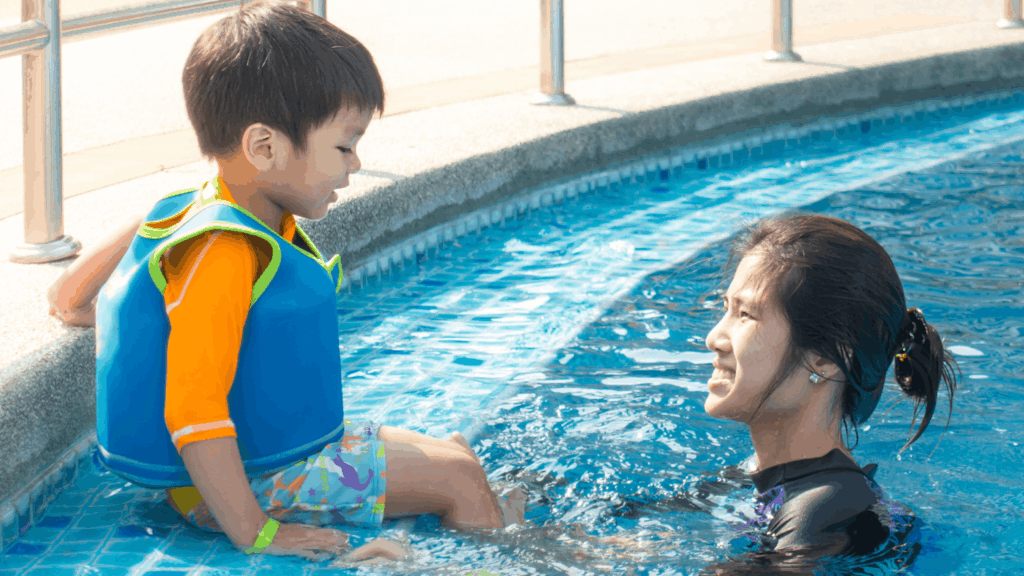
Moving into competitive swimming changes the routine for both swimmers and parents. Understanding these changes early helps families adjust more smoothly.
Increased Training Commitments
Competitive swimmers usually attend multiple sessions each week. As children progress, training frequency may increase further.
This requires careful planning around school schedules, homework and family life.
Swim Meets and Competitions
Competitions often take place on weekends and may involve early starts and long hours at the pool.
Parents quickly learn the importance of preparation, including:
- Packing multiple towels
- Bringing healthy snacks
- Staying hydrated
- Arriving early
- Keeping swimmers relaxed between races
Equipment Requirements
Competitive swimmers may gradually need additional equipment such as:
- Racing goggles
- Swim caps
- Kickboards
- Pull buoys
- Fins
- Training swimwear
Coaches can advise families on what is necessary at each stage.
Emotional Support Matters
Parents play an important role in shaping a child’s experience in sport.
The most effective support often includes:
- Praising effort rather than results
- Encouraging consistency
- Helping children reflect positively after races
- Avoiding comparisons with other swimmers
Children generally perform best when they feel supported rather than pressured.
Choosing the Right Competitive Swim Programme
Not every swim programme is the right fit for every child. Parents should look for clubs that prioritise swimmer development, wellbeing and communication.
Qualified and Supportive Coaches
Strong coaching goes beyond technical knowledge. Good coaches create safe, motivating environments where swimmers feel encouraged to improve.
Clear Progression Pathways
A structured pathway helps families understand how swimmers move through different levels over time.
This creates realistic expectations and supports long-term development.
Positive Training Environment
The best programmes balance challenge with enjoyment. Swimmers should feel motivated while still maintaining a healthy relationship with sport.
Sustainable Commitments
Location, scheduling and travel time all affect long-term consistency. Choosing a programme that fits family routines can reduce stress and improve commitment.
Parents considering competitive swimming can learn more or arrange an assessment. Contact the team now to get started.
Final Thoughts
Progressing from swim lessons into competitive squads is an exciting milestone for many young swimmers.
The transition should always be gradual, supportive and focused on long-term enjoyment rather than short-term results. Every swimmer develops at their own pace, and success looks different for every child.
With patient coaching, realistic expectations and positive parental support, competitive swimming can become a rewarding experience that builds confidence, discipline and lifelong skills both in and out of the pool.
FAQs
What age should a child start competitive swimming?
Many children begin development squads between the ages of 6 and 10, depending on their technique, confidence and interest in the sport. Readiness is more important than age alone.
How do I know if my child is ready for a swim squad?
Signs include strong basic technique, the ability to follow structured instructions, enjoyment of swimming and willingness to train consistently.
How many times a week do competitive swimmers train?
Development swimmers may train two to four times weekly, while advanced competitive swimmers often train more frequently as they progress.
Can children balance competitive swimming and school?
Yes. Many young swimmers successfully balance academics and training with good time management, proper rest and supportive routines at home.
What should parents bring to swim meets?
Parents should pack towels, goggles, swim caps, water bottles, healthy snacks, spare clothing and entertainment for breaks between races.