
A Parent's Guide to Toddler Swimming Classes in Singapore

For many parents, enrolling a child in swimming lessons is one of the first important decisions they make for their child’s development. While it’s natural to wonder whether your toddler is ready or what happens during a lesson, starting early can provide lifelong benefits that extend well beyond learning how to swim.
Whether your goal is to improve water safety, build confidence, or introduce your child to a healthy and enjoyable activity, choosing the right toddler swimming programme can make all the difference. This guide explains what to expect from toddler swimming classes in Singapore, when children should begin, and how parents can support their child’s learning journey.
Why Swimming Is One of the Best Activities for Young Children
Swimming is much more than a recreational activity. It is a valuable life skill that supports a child’s physical, emotional, and social development from an early age.
One of the biggest advantages of starting swimming lessons early is developing water confidence. Children who become comfortable in the water are more likely to enjoy learning new skills and remain calm in aquatic environments. Rather than fearing the water, they gradually learn to move confidently and safely.
Swimming also encourages physical development by strengthening muscles, improving flexibility, and enhancing cardiovascular fitness. Unlike many land-based activities, the buoyancy of water supports the body while allowing children to move freely, making it an excellent form of low-impact exercise.
Regular lessons also improve coordination and balance. Simple activities such as kicking, floating, reaching, and changing body positions help toddlers develop motor skills that benefit everyday movement and other sports as they grow.
Beyond physical development, swimming helps children build confidence. Every new achievement-whether it’s floating independently, blowing bubbles, or kicking across the pool-gives children a sense of accomplishment and encourages them to try new challenges.
Swimming lessons also teach valuable listening skills. Toddlers learn to follow simple instructions, take turns, and respond to their coach’s guidance, helping them develop focus and discipline in a supportive environment.
Most importantly, swimming should be fun. Games, songs, toys, and engaging activities keep young learners interested while allowing them to develop essential skills naturally through play.
When Should Children Start Swimming Lessons?
Many parents ask whether there is a “perfect” age to begin swimming lessons. While every child develops at their own pace, structured lessons are generally most effective once children can understand simple instructions and actively participate in guided activities.
At Ace Swim Club, our Toddler Class welcomes children from 3.5 years old. At this stage, children are typically more independent, have better attention spans, and are ready to learn basic swimming skills through structured yet enjoyable lessons.
Starting at this age allows children to build confidence gradually without unnecessary pressure. Instead of focusing on swimming independently straight away, lessons emphasise becoming comfortable in the water, understanding basic movements, and developing good habits from the beginning.
Every child learns differently, so progress is measured by confidence and consistency rather than speed.
What Happens During a Toddler Swimming Lesson?
One of the biggest concerns parents have is not knowing what actually happens during a lesson. Understanding the structure can help both parents and children feel more comfortable before stepping into the pool.
A typical toddler swimming lesson may include:
- A gentle warm-up to help children become comfortable in the water.
- Fun water play activities that encourage exploration and reduce anxiety.
- Learning how to float safely with the guidance of an instructor.
- Practising bubble blowing to develop breath control.
- Basic kicking exercises to introduce propulsion.
- Interactive games that improve coordination while keeping children engaged.
- Simple water safety skills, such as safe pool behaviour, entering and exiting the water correctly, and listening for instructions.
Lessons are carefully paced so children can learn without feeling overwhelmed. Coaches encourage participation through positive reinforcement, ensuring every child develops confidence while enjoying the experience.
My Child Is Afraid of Water. Is That Normal?
Absolutely. Many toddlers feel uncertain during their first few swimming lessons, especially if they have had limited exposure to the water.
Some children may cling to their parents, hesitate to enter the pool, or even cry during their first lesson. These reactions are completely normal and usually become less frequent as children grow familiar with the environment and build trust with their coach.
Experienced instructors understand that every child adapts differently. Rather than forcing participation, they introduce activities gradually, allowing children to develop confidence at their own pace.
Parents should remember that confidence is built over time. A child who is initially nervous may become excited about swimming after just a few lessons, provided they are encouraged in a supportive and positive environment.
How Parents Can Help Their Child Enjoy Swimming
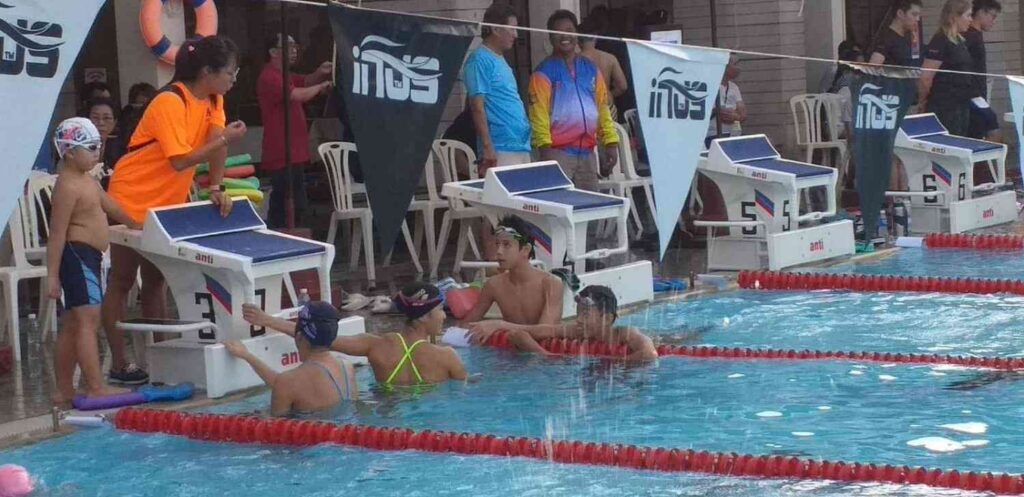
Parents play an important role in helping children develop a positive attitude towards swimming. A few simple habits can make a significant difference.
- Arrive early. Giving your child a few extra minutes to become familiar with the pool environment can reduce anxiety before lessons begin.
- Offer encouragement. Celebrate your child’s effort rather than expecting immediate results. Small achievements deserve recognition.
- Avoid comparisons. Every child develops at a different pace. Comparing progress with siblings or classmates can reduce confidence rather than build it.
- Celebrate milestones. Whether your child learns to float, blows bubbles confidently, or simply enters the pool happily, acknowledging these achievements keeps them motivated.
- Be consistent. Regular attendance helps children become familiar with routines and develop skills more effectively than irregular lessons.
When parents remain patient and supportive, children are more likely to enjoy swimming and continue progressing.
Signs Your Toddler Is Progressing Well
Progress in swimming is not always measured by how far a child can swim. Small improvements often indicate that your toddler is becoming more confident and developing essential skills.
Positive signs include:
- Entering the pool comfortably.
- Listening and responding to the coach’s instructions.
- Floating with increasing confidence.
- Blowing bubbles independently.
- Kicking more effectively in the water.
- Smiling, laughing, and looking forward to lessons.
These milestones demonstrate growing confidence and readiness to develop more advanced swimming techniques over time.
What’s Next After Toddler Class?
As children become more confident and develop stronger swimming fundamentals, they are ready to progress to the next stage of their swimming journey.
Many children move from Toddler Class into our Learn to Swim programme, where they begin refining stroke techniques, improving breathing control, and building greater independence in the water.
For children who develop a passion for swimming and demonstrate the necessary skills, they may eventually progress into our Competitive Squad, where training becomes more structured and performance-focused.
Following a clear learning pathway allows children to build strong foundations before taking on new challenges, ensuring they continue enjoying swimming as their abilities grow.
Why Families Choose Ace Swim Club
Choosing the right swim school is just as important as deciding when to start lessons.
At Ace Swim Club, our programmes are designed to create a safe, enjoyable, and supportive learning environment where children can develop confidence at their own pace.
Families choose Ace Swim Club because we offer:
- Small class sizes that allow coaches to provide individual attention.
- Experienced instructors who understand how young children learn best.
- A safe and encouraging environment where children feel comfortable exploring the water.
- Fun, structured lessons that balance skill development with enjoyable activities.
- A clear progression pathway that supports children as they advance through each stage of their swimming journey.
Our goal is to help every child develop not only strong swimming skills but also a lifelong love for the water.
Final Thoughts
Introducing your child to swimming at an early age provides benefits that extend far beyond the swimming pool. From building water confidence and physical coordination to developing listening skills and self-confidence, swimming helps children grow in many different ways.
By choosing a structured programme designed specifically for young learners, parents can give their children the opportunity to learn in a safe, enjoyable, and supportive environment while building skills that will benefit them for years to come.
Frequently Asked Questions
What age can toddlers start swimming lessons?
At Ace Swim Club, children can join our Toddler Class from 3.5 years old, when they are generally ready to participate in structured swimming activities and follow simple instructions.
What should my child bring to swimming lessons?
Children should bring comfortable swimwear, a towel, a change of clothes, and any additional items recommended by the swim school, such as goggles or a swim cap if required.
How long does it take toddlers to learn swimming?
Every child learns at their own pace. Regular attendance, confidence in the water, and consistent practice all influence how quickly a child develops swimming skills.
What if my child cries during lessons?
This is common for first-time swimmers. Experienced coaches introduce activities gradually and never force children into situations they are uncomfortable with. Most toddlers become more confident as they become familiar with the pool and instructor.
Can toddlers who have never been in a pool join?
Yes. Many children begin swimming with little or no previous water experience. Toddler swimming lessons are specifically designed to introduce water gradually while building confidence and essential swimming skills in a safe and supportive environment.